Elon Musk is often portrayed as the embodiment of extreme wealth, a man whose net worth reaches staggering heights and whose influence spans industries from space to artificial intelligence. Yet behind the headlines and financial charts lies a lifestyle that appears to defy every stereotype of the world’s richest individuals. Rather than retreating into sprawling mansions or indulging in endless luxury, Musk has repeatedly spoken about choosing simplicity over excess.

Stories have circulated of Musk sleeping on factory floors during critical production periods or staying on borrowed couches while focusing relentlessly on his work. In this narrative, comfort is secondary to mission. His environments are described as temporary, functional, and disposable — reflections of a mindset driven more by urgency and problem-solving than by status or material display.

The same philosophy extends to his relationship with luxury. Instead of collecting exotic cars or flaunting opulent possessions, Musk has often emphasized utility and purpose. To him, wealth is not a destination but a tool — something to be reinvested into ambitious projects aimed at reshaping humanity’s future rather than enhancing personal comfort.
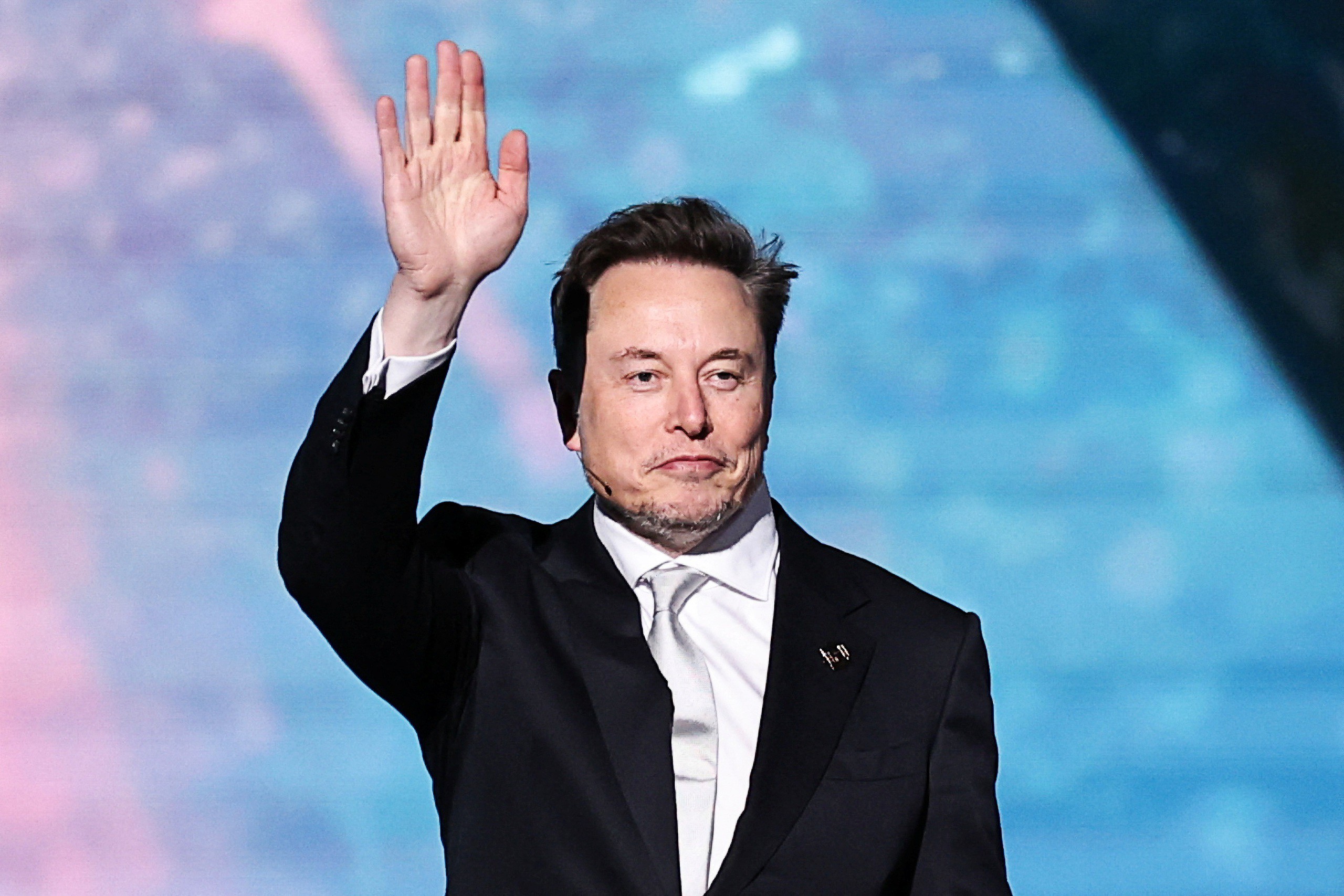
Whether admired or questioned, this unconventional lifestyle has become part of Musk’s public mystique. It paints a picture of a man who rejects traditional symbols of success, choosing instead to live in constant motion, guided by vision rather than vanity. In a world obsessed with excess, his approach challenges the very definition of what it means to be rich.