In the heart of Mozambique’s Maputo Special Reserve, a three-month-old baby elephant was discovered wandering alone, frail, and on the brink of death. The tiny calf, barely able to stand, had been separated from its mother and herd for an estimated three days. The sight was heartbreaking — a vulnerable young life exposed to the dangers of the wild, with little chance of survival without immediate intervention.
The rescue began thanks to the vigilance and quick action of members of the Muvucuza Community within the reserve. Recognizing the danger the orphaned elephant faced, they promptly alerted rangers. Without their timely intervention, this young elephant may not have survived. Their compassion and awareness exemplify how human care can make the difference between life and death in the wild.
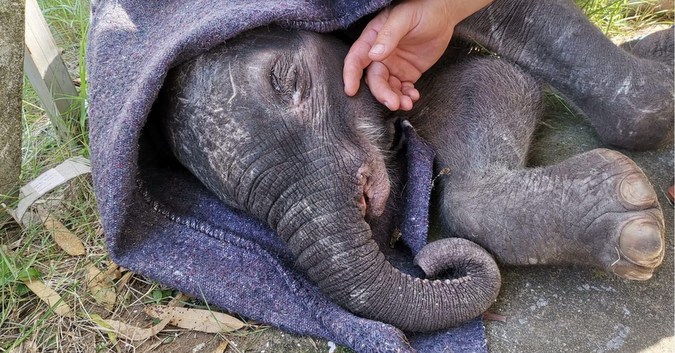
A team of experts swiftly mobilized to stabilize the tiny elephant. Led by Mozambique’s National Administration of Conservation Areas (ANAC), along with Saving the Survivors, Dyck Advisory Group, and the Peace Parks Foundation (PPF), the rescue effort was immediate and coordinated. Veterinarians, including Dr. João Almeida from Saving the Survivors, worked tirelessly to administer intravenous fluids and care for the severely dehydrated and malnourished calf. Specialised fresh milk was flown in from South Africa to ensure the elephant received essential nutrients, while the medical team carefully monitored her condition.
The initial hours were critical. The baby elephant’s life hung in the balance as the team worked to stabilize her. Slowly, signs of improvement emerged. She began to pass feces, drink from the bottle every two hours, and sleep regularly — indicators that her strength was returning. The team remained vigilant, knowing that even small setbacks could be life-threatening at this fragile stage of life.
Experts have speculated that the calf may have been unwell for some time, which could explain why it had been abandoned by its mother. Elephants rarely leave their young unless there is serious illness or danger, highlighting the critical nature of the rescue. The technical advisors emphasized the importance of protecting wildlife within the reserve, not only for individual animals like this calf but for the conservation of biodiversity across the ecosystem.
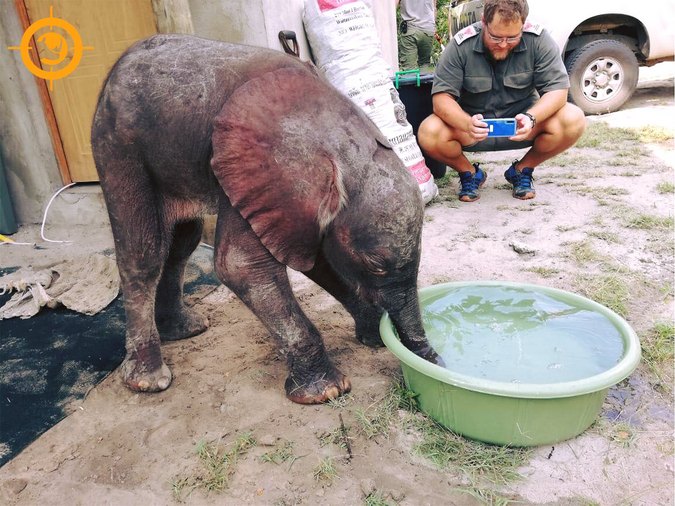
While the calf has shown remarkable resilience, her journey is far from over. She now awaits the necessary permits to be transferred to a specialised care facility in South Africa. There, she will receive continued treatment and nurturing, with the ultimate goal of eventual release back into the wild. Drs. Carlos Lopes Pereira of ANAC and Michelle Henley of Elephants Alive are working closely with South Africa’s Department of Environmental Affairs to secure the import permits essential for her survival and long-term recovery.
The rescue also underscores the importance of community engagement and regional cooperation in conservation efforts. From the local communities to international wildlife organizations, each entity played a vital role in ensuring the calf’s safety. Organizations including Dyck Advisory Group, Blue Sky Society, Elephants Alive, Elephant Coast Company, Hoedspruit Endangered Species Centre, Saving the Survivors, and Peace Parks Foundation provided expertise, resources, and support to make this rescue possible.
Beyond saving one life, this operation illustrates the broader impact of wildlife conservation. Maputo Special Reserve is emerging as a top destination for eco-tourism, creating livelihood opportunities for local communities while protecting endangered species. The collaboration between residents, rangers, veterinarians, and conservation organizations exemplifies how community involvement and professional care can work hand in hand to protect vulnerable wildlife.
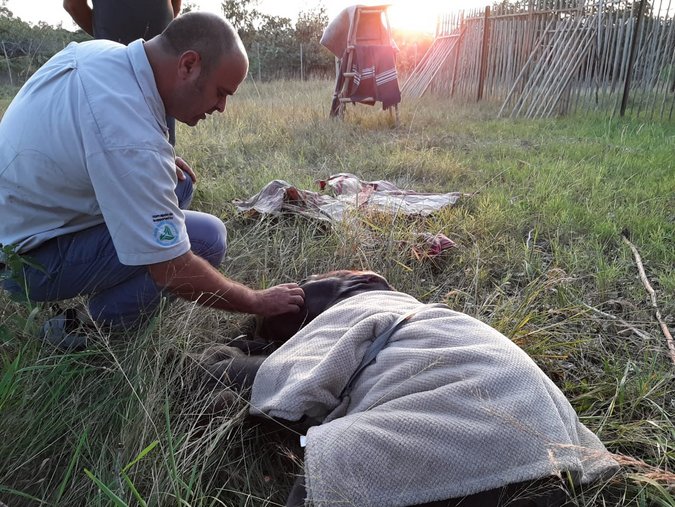
The rescued baby elephant’s story is one of fragility, hope, and resilience. From the moment she was found, alone and struggling, to the intensive care and dedicated feeding schedule that has helped her regain strength, this tiny elephant has captured the hearts of all who have witnessed her struggle. Her recovery is a testament to human compassion, expert care, and the determination to give wildlife a fighting chance against the challenges they face in their natural habitats.
As she continues her rehabilitation, every effort made on her behalf brings her closer to the day she can roam freely once again, rejoining a herd and thriving in the wild. Her survival is not only a triumph of immediate intervention but also a reminder of the ongoing responsibility humans have to protect and preserve the incredible creatures with whom we share this planet.
This tiny elephant, rescued from the brink, embodies hope — hope for conservation, hope for cooperation, and hope for every endangered animal that can be saved when people, organizations, and communities come together.