In the heart of Shandong province, China, a dramatic and heart-wrenching scene unfolded at the Shendiaoshan Wild Animal Natural Reserve Area. On August 30, a female elephant gave birth to a calf, a moment that should have been filled with joy and celebration. But the joy quickly turned to horror when zookeepers witnessed the unimaginable: the mother attempted to stamp her newborn calf, Zhuangzhuang, almost immediately after birth.
Initially, veterinarians and keepers thought the incident was accidental. Newborn elephants are fragile, wobbly, and often unsteady in their first moments, and mistakes can happen even with the most attentive mothers. The calf was immediately removed from the mother’s reach to treat his injuries. Staff worked quickly, tending to the tiny, vulnerable pachyderm with the urgency such a situation demanded. After two hours, the team attempted to return Zhuangzhuang to his mother, hoping that the initial aggression had been a fluke.
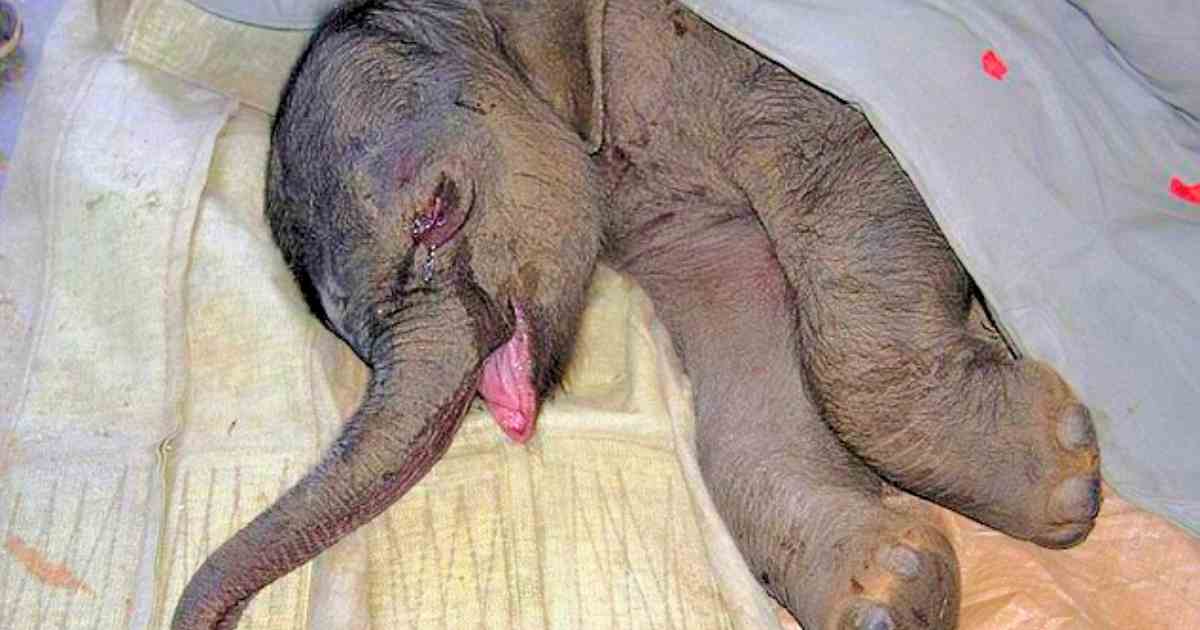
But the tragedy deepened. Upon returning the calf, the mother resumed her aggressive behavior, stamping on him once again. Zookeepers had no choice but to intervene decisively. They drove the mother away and removed Zhuangzhuang from her presence permanently to prevent further harm. The sight was distressing: the calf, rejected by the one who should have been his protector, cried inconsolably for five hours. Staff did their best to soothe him, offering comfort through gentle touch, soft words, and constant vigilance.
For Zhuangzhuang, those hours were a confusing mix of pain, fear, and longing. He had been born with instinctive attachment to his mother, and her aggression shattered his sense of security. “He couldn’t bear to be parted from his mother, and it was his mother who was trying to kill him,” a reserve spokesman explained. The staff faced a delicate balance: providing safety while nurturing the emotional and psychological well-being of a calf experiencing trauma so early in life.
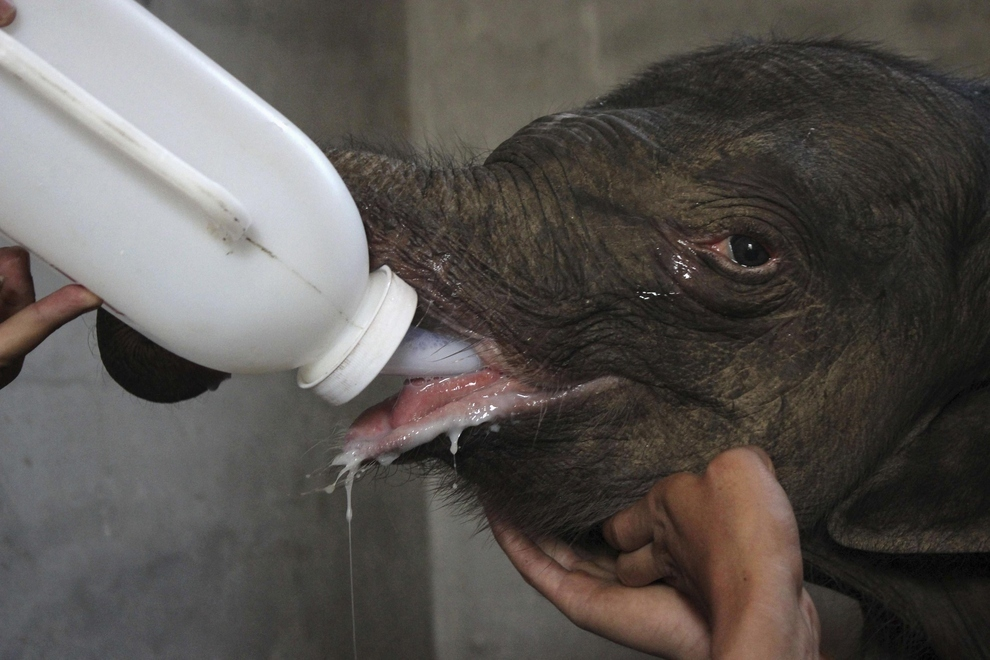
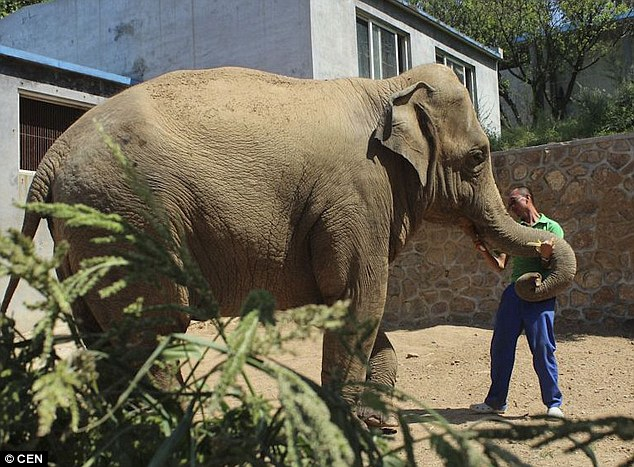
Fortunately, a compassionate resolution emerged. A dedicated zookeeper at the reserve adopted Zhuangzhuang, providing the attention, care, and love he desperately needed. Slowly, the baby elephant began to recover, both physically and emotionally. The bond he formed with his human caregiver became a source of comfort and stability, allowing him to heal from the terrifying start to his life.
The situation, while shocking, is not entirely unheard of in the animal world. Elephants, despite their remarkable intelligence, social complexity, and maternal instincts, sometimes display unexpected aggression toward their offspring. The reasons can range from stress, inexperience, illness, or psychological trauma, and in some cases, there is no clear explanation. For Zhuangzhuang, the cause of his mother’s behavior remains a mystery. Yet the staff at Shendiaoshan Wild Animal Natural Reserve acted swiftly to ensure that tragedy did not continue.
Today, Zhuangzhuang is reportedly thriving under the care of his human guardian. The once-rejected calf has found security, warmth, and affection in the hands of the zookeeper, proving that trust and love can heal even the most shocking beginnings. His cries, which once filled the reserve with despair, have been replaced with the sounds of contentment, exploration, and play.
The story of Zhuangzhuang is a powerful reminder of the fragility of life and the profound impact of human intervention in wildlife care. It highlights the critical role zookeepers and veterinarians play in the safety and wellbeing of animals under their protection. More than just caretakers, these professionals act as surrogate families when natural bonds fail, ensuring that young animals like Zhuangzhuang have a chance to grow, thrive, and experience the joys of life they deserve.
It is also a story of hope. Despite the initial trauma of rejection, Zhuangzhuang’s journey demonstrates resilience and adaptability. With dedicated care, even the most vulnerable and traumatized individuals can recover, form new bonds, and flourish in ways that once seemed impossible.
For visitors, staff, and animal lovers around the world, Zhuangzhuang’s tale resonates deeply. It evokes compassion, concern, and awe for the delicate balance of life in the wild — and the responsibility humans have when stepping into that balance. While we may never fully understand why his mother turned on him, the outcome serves as a heartening testament to the power of care, intervention, and unwavering dedication.
Today, Zhuangzhuang continues to grow, safe and nurtured, his early life of fear and uncertainty replaced with love, security, and hope. The tiny elephant who once cried for hours alone now explores his surroundings with curiosity, forming bonds, learning, and thriving — a living reminder that even in the face of rejection and danger, life can prevail, and miracles can happen when compassion leads the way.